Jo Sear and Andrew Roberts
Around 30 members of the Trumpington Local History Group made two separate visits to the Centre for Material Culture (CMC), which serves as the off-site facility for the storage of some 40% of the archaeology and anthropology collections from the Museum of Archaeology and Anthropology (MAA).
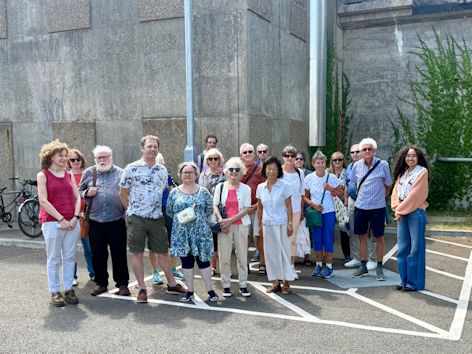
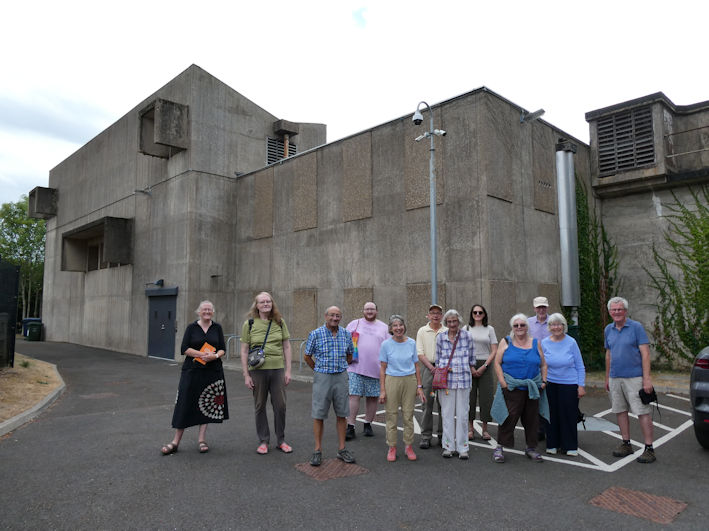
The visits were led by Rosie Croysdale, Senior Education and Outreach Assistant and Camilla King, Senior Collections Assistant at the MAA. Rosie started each visit by explaining a bit about the history of the building. The CMC occupies part of the former Cold War nuclear bunker located at the far end of Gilpin Road on the Accordia development and thus just outside the pre-1912 Trumpington parish boundary. The bunker was originally built in the 1950s to serve as the regional seat of government for the Eastern region in the event of a nuclear attack, expanded in the 1960s to hold 200 people. It was declared to be outdated in the 1990s and was eventually acquired by the University of Cambridge with the intention of using it for storage. A five-year project was undertaken to refurbish the building as far as was possible given its Grade II listed status and to move nearly 320,000 objects from a site at Eddington to the new CMC.
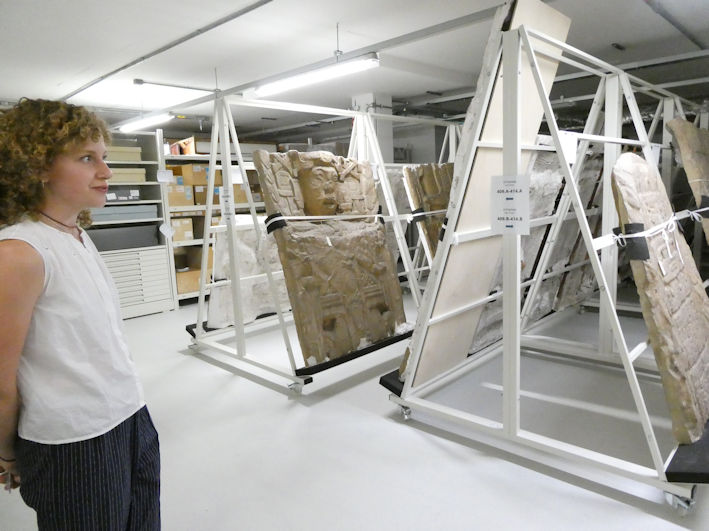
Once inside the building, Rosie explained that, broadly speaking, the archaeology collection was located on the ground floor and the anthropology items on the first. The archaeology room was known as the Fell Room after the British archaeologist Clare Fell, who had been the Assistant Curator of Cambridge University Museum of Archaeology. Rosie showed members a number of items and explained their background and how they had been acquired by the MAA. These included a Roman coffin which had been found at Arbury, a fantasy coffin in the shape of a lion from Ghana and a traditional dugout royal canoe from Uganda. Members were particularly interested in a series of plaster casts of Mayan stelae which had been made in the early 1880s by plaster modeller Lorenzo Giuntini during expeditions funded by the explorer and archaeologist Alfred Maudslay. The casts are from the ancient sites of Quiriguá and Yaxchilán (Guatemala) and have significant value since many of the details of the stelae have since been eroded or weathered away so that the casts have preserved many of the original features.
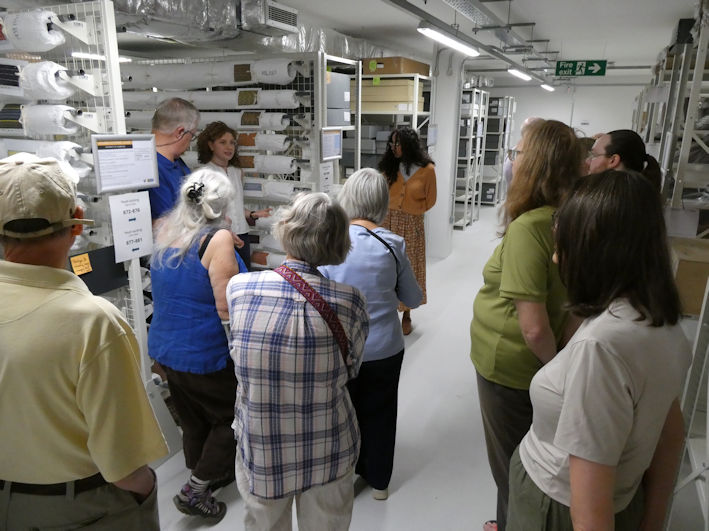
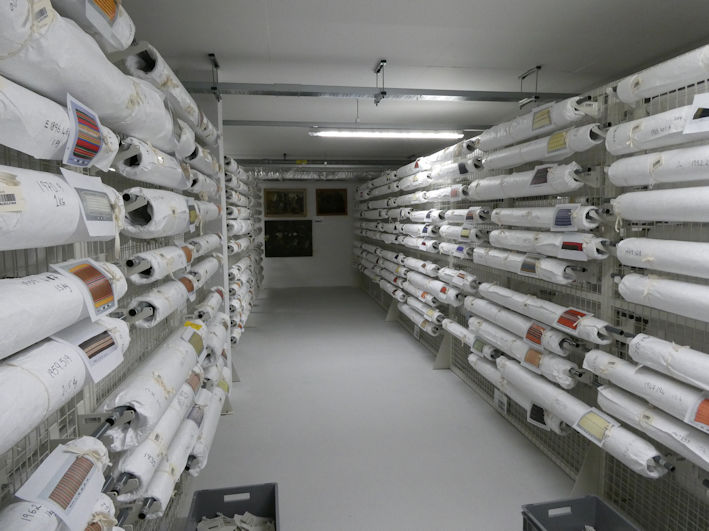
Members then proceeded to the upper floor of the building, named after Maureen O’Reilly, Assistant Curator of the Cambridge Museum of Archaeology and Ethnography in the 1920s and 1930s. Rosie explained that the upper floor housed the anthropology artefacts and included cultural heritage items from 177 countries around the world. The objects included a very large collection of world textiles as well as basketry, weapons and religious items.
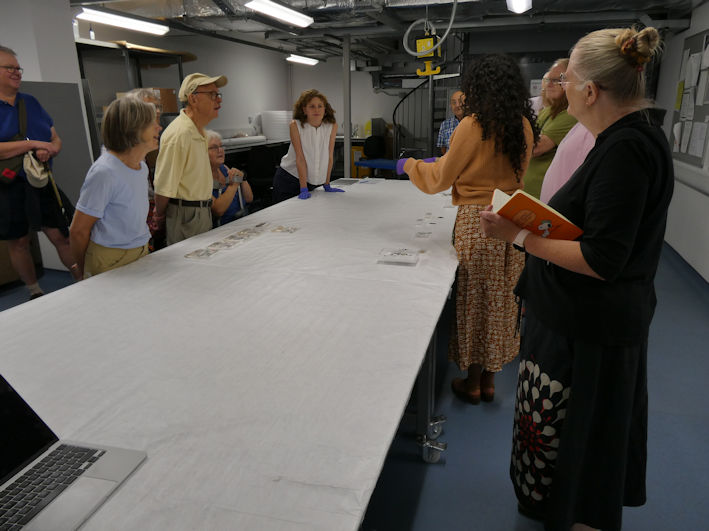
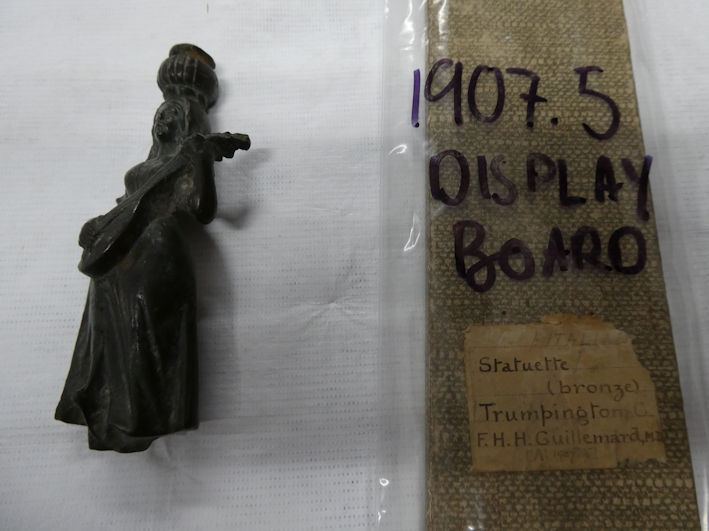
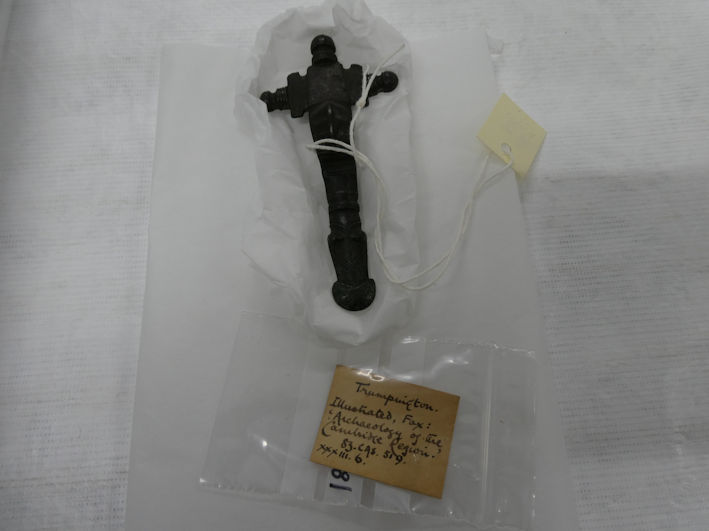
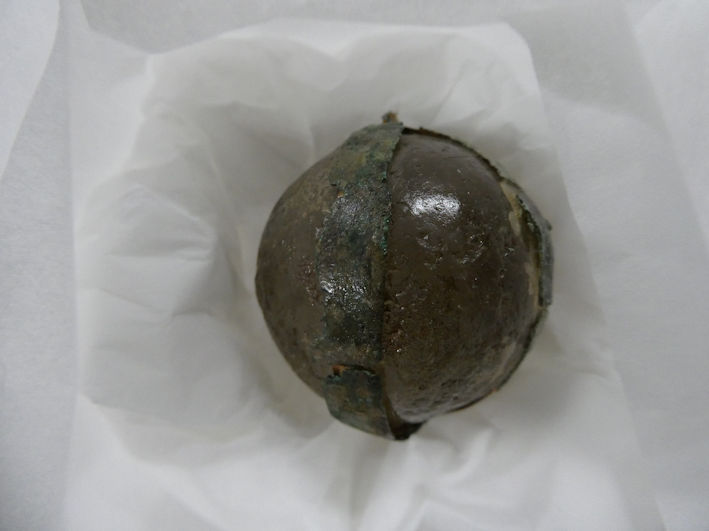
On the final part of the visit on 4th August, members were invited to view a range of archaeological items found in Trumpington, which Rosie had put on display in the Cowles Workroom. With the exception of one item, a small post-medieval bronze figure of a woman, all of the finds were Anglo-Saxon. Unfortunately, a number of the items had been donated by collectors who had not recorded the precise location of their finds, but they were hugely interesting nevertheless. These items included a number of bronze brooches which would have been used to pin tunics at the shoulder and some bronze wrist clasps. Members were also shown a crystal ‘witch ball’ which would possibly have been used in Saxon rituals. The location of this find was known, as it had been excavated close to Trumpington’s pre-1912 boundary with Cambridge at the Roman/Anglo-Saxon site known as Dam Hill (now the site of Latham Road and the Stephen Perse Foundation playing fields) and was one of only two found locally (the other ‘witch ball’ was found at Cherry Hinton).
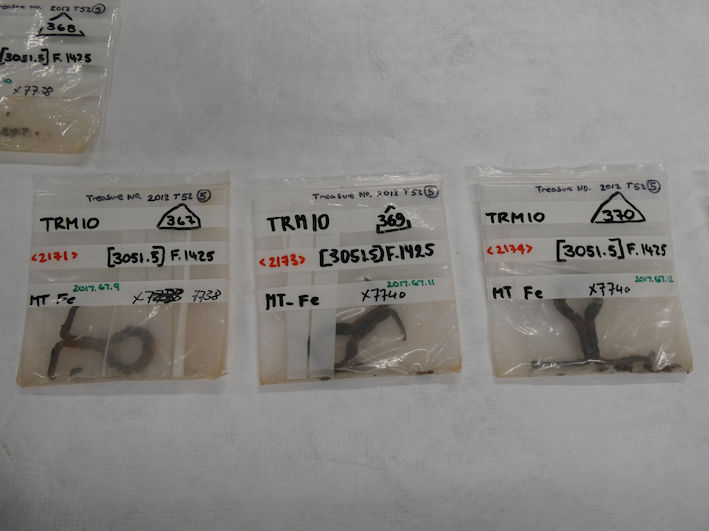
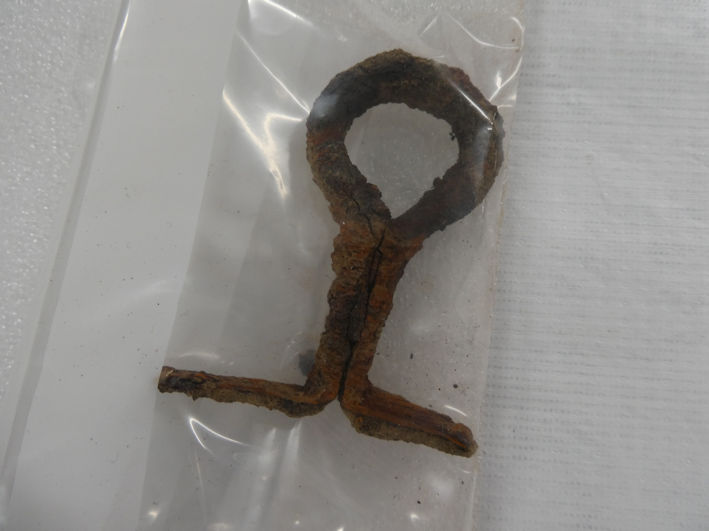
Members then viewed some iron bed fittings from the Trumpington bed burial, the rare mid-seventh-century Anglo-Saxon grave discovered in 2011 prior to the development of Trumpington Meadows. The grave had included the remains of a teenage girl aged 16–18 laid on a wooden bed and included the exquisite gold and garnet pectoral cross, now known as the Trumpington Cross, which is on display in the Museum of Archaeology and Anthropology. The girl is thought to have travelled from southern Germany, based on an analysis of her teeth.
Members thanked Rosie and Camilla for fascinating and hugely informative tours.